
Vietnam is setting ambitious goals for its economic future, aiming to not only increase the number of enterprises but also cultivate corporations capable of competing on a regional and global scale. The Politburo’s Resolution No. 68-NQ/TW, issued in May last year, outlines a target of 2 million active enterprises by 2030, including at least 20 major corporations integrated into global value chains. Additionally, Resolution No. 79-NQ/TW, released in January this year, focuses on state-owned enterprises, with a goal of ranking 50 among Southeast Asia’s top 500 companies and placing one to three within the world’s top 500 by 2030.
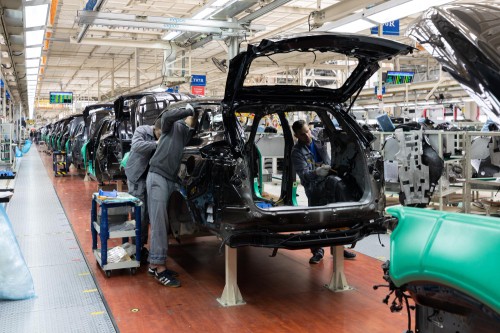
Vietnam’s economic landscape has evolved significantly since the Đổi mới reforms initiated in 1986. As highlighted by Đậu Anh Tuấn of the Vietnam Chamber of Commerce and Industry, major economic groups have emerged across various sectors. In manufacturing, THACO has established a significant automobile and mechanical engineering production base, while VinFast has launched Vietnam’s first electric vehicle factory, achieving international market presence. Hòa Phát Group has grown into a leading steel manufacturer in Southeast Asia, and FPT has become a top information technology company in the region. In consumer goods, Vinamilk and Masan Group have successfully expanded their brands internationally.
Despite these achievements, experts like Nguyễn Đức Hiển and economist Trần Đình Thiên emphasize that many Vietnamese enterprises remain heavily reliant on capital and are still relatively young and small. To transform into global leaders, enterprises must not only withstand global economic changes but also drive the economy forward. Thiên suggests that Vietnam should shift from broad-based to targeted support for businesses, focusing on those that can lead and create significant impact across production chains.
International experiences offer valuable insights for Vietnam’s development strategy. Japan’s selection of strategic industries led to significant breakthroughs, while South Korea’s formation of conglomerates like Samsung and Hyundai fostered extensive industrial ecosystems. China’s scale and policy strength have enabled the growth of large industrial clusters. These examples underline the importance of strategic industry selection and long-term investment for becoming an economic power.
Vietnam’s policy framework, shaped by Resolutions 68 and 79, lays the groundwork for enterprise growth, but the true challenge lies in effectively implementing these policies with consistency and focus. If Vietnam can navigate this phase successfully, the coming decade could see the rise of economic groups with regional influence, advancing the nation’s position in global industrial value chains and achieving its aspiration to rise strongly on the international stage.