
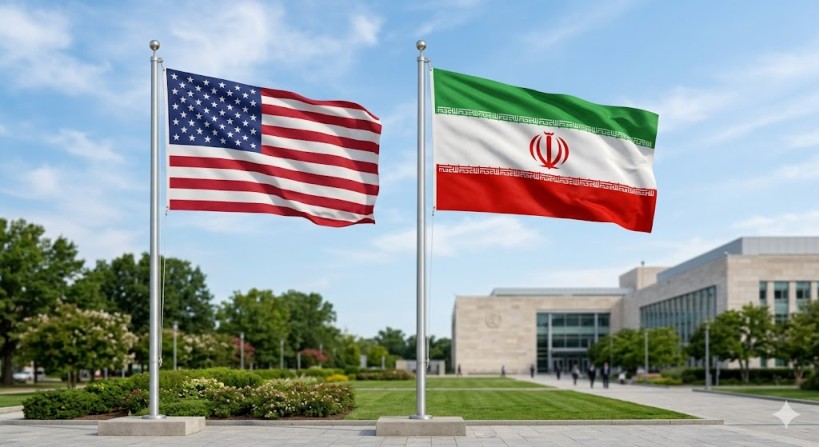
Efforts to extend a ceasefire agreement and ease tensions in the Middle East have made little headway this week in talks between the United States and Iran. Despite active negotiations, significant breakthroughs remain elusive as both sides continue to communicate indirectly through mediators.
US President Donald Trump indicated that discussions with Iran are nearing their conclusion, yet Iranian Foreign Minister Abbas Araghchi reported no major progress. A primary sticking point is Iran’s insistence on a ceasefire in Lebanon as a condition for any broader accord with Washington. The intended agreement aims to prolong the existing truce and ensure the reopening of the Strait of Hormuz, a vital maritime passage.
Tensions in Lebanon persist, with ongoing clashes between Israeli forces and Hezbollah, an Iran-aligned group. Hezbollah has dismissed a ceasefire proposal backed by the US, and skirmishes in southern Lebanon continue unabated. This volatile situation contributes to the broader challenge of achieving a comprehensive resolution.
Global energy markets have been affected by the uncertainty surrounding the Strait of Hormuz, a crucial channel for oil transport worldwide. Investors are closely observing the situation, as any disruptions to shipping through this route could have substantial repercussions on energy supplies and global oil prices.
Diplomatic efforts to prevent further escalation and secure a wider agreement are ongoing. Regional and international actors are actively engaged in seeking a solution that could stabilize conditions in the Middle East and potentially lead to a more enduring peace.