Proposed limitations on Ukraine’s military size represent another contentious element in peace negotiations. Trump’s original framework included provisions restricting the size and capabilities of Ukrainian armed forces—terms that Ukrainian officials argue would leave their country defensively vulnerable.
Russia has long sought to diminish Ukraine’s military capabilities, viewing a strong Ukrainian military as a threat to Russian regional influence. Limitations on troop numbers, equipment types, or military infrastructure would serve Russian strategic interests by ensuring Ukraine cannot mount effective resistance to future aggression or coercion.
Ukraine argues that military restrictions make no sense without equivalent limitations on Russian forces. The asymmetry between Russia’s massive military establishment and Ukraine’s comparatively modest forces means that Ukrainian military limitations would fundamentally alter the regional balance of power. Without the ability to maintain adequate defenses, Ukraine would remain perpetually vulnerable.
The inclusion of military leadership in Ukraine’s negotiating delegation reflects the importance of this issue. Armed forces commander Andrii Hnatov participated in Florida discussions alongside Foreign Minister Andrii Sybiha and Security Council head Rustem Umerov. Hnatov can provide expert assessment of what military capabilities Ukraine requires for legitimate defense purposes.
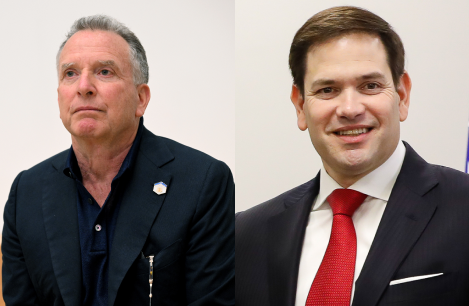
Secretary of State Marco Rubio and Trump’s special envoys heard Ukrainian concerns about military limitations during weekend talks. President Zelenskyy has stated that any peace agreement must provide “real, reliable solutions” for Ukrainian security—language suggesting skepticism about proposals that constrain Ukraine’s ability to defend itself. As negotiations advance toward presentation to Putin, the military limitations question remains among the most difficult issues requiring resolution.