
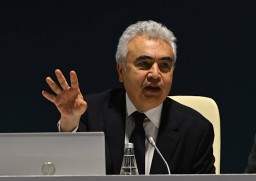
The Iran energy crisis could extend well into 2027 if the extensive damage to Gulf energy infrastructure is not rapidly assessed, funded, and repaired once the security situation allows, the head of the International Energy Agency has warned. Fatih Birol, speaking in Canberra, said at least 40 major Gulf energy facilities had been severely or very severely damaged, and that rebuilding them would be an extraordinarily complex and time-consuming process. He described the overall crisis as equivalent to the combined force of the 1970s twin oil shocks and the Ukraine gas emergency.
Birol explained that repairing major oil and gas production and processing facilities was not simply a matter of mobilizing workers and materials. It required highly specialized engineering expertise, custom-manufactured components with long lead times, complex testing and commissioning processes, and in some cases entirely new facility designs. Even with maximum mobilization of resources, major facility repairs could take twelve to eighteen months or longer after construction work began.
The conflict began February 28 with US and Israeli strikes on Iran and has since removed 11 million barrels of oil per day and 140 billion cubic metres of gas from world markets. The Hormuz strait — through which approximately 20 percent of global oil flows — remains closed to commercial shipping. The IEA deployed 400 million barrels from strategic reserves on March 11 — its largest emergency action in history — with further releases under active consideration.
Birol called for demand-side policies including remote work, lower speed limits, and reduced air travel. He confirmed consultations with governments across Europe, Asia, and North America were ongoing. He met with Australian Prime Minister Anthony Albanese and said planning for a potentially prolonged crisis needed to begin immediately, with governments developing twelve-to-twenty-four-month energy management strategies rather than assuming a quick return to normalcy.
Trump’s 48-hour ultimatum to Iran to reopen the strait expired without result, and Tehran threatened retaliatory strikes on US and allied energy and water infrastructure. Birol concluded by warning that optimism about a quick resolution needed to be tempered by realism about the physical scale of infrastructure damage. He said governments that planned only for a short crisis would be dangerously underprepared if the reality proved to be a prolonged one.