
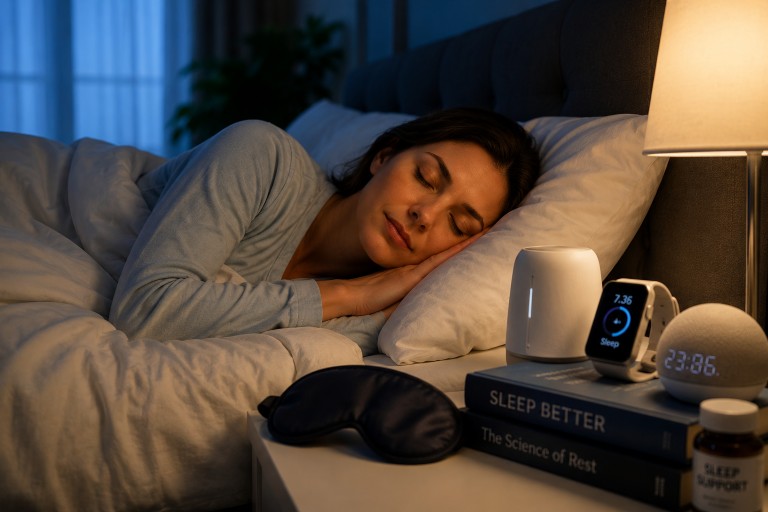
The quest for a better night’s sleep has sparked a thriving industry dedicated to sleep-enhancing products, ranging from smartwatches and sleep-tracking apps to specialized mattresses and noise machines. Despite the surge in consumer spending on these innovations, experts caution that no gadget can substitute the basic principles of healthy sleep. Factors like stress, excessive screen time, irregular sleep schedules, noise, uncomfortable temperatures, and untreated sleep disorders continue to disrupt rest regardless of technological advancements.
While smart devices and comfortable bedding can enhance the sleep environment and offer insights into sleep patterns, their effectiveness has limits. Persistent stress, anxiety, excessive noise, and irregular work hours, along with medical sleep disorders, demand more comprehensive solutions than a new mattress or gadget. Over-reliance on technology can sometimes add stress, as seen in the phenomenon of orthosomnia, where individuals become overly fixated on achieving “perfect” sleep through constant monitoring of sleep data, potentially exacerbating bedtime anxiety.
The burgeoning market for sleep-related products reflects an increasing awareness of the importance of quality rest. This expanding sector now includes not just traditional mattresses and pillows but also wearable trackers, sleep apps, smart beds, and wellness programs. The trend extends to wellness-focused hotels and sleep retreats, indicating a broader recognition of sleep as a crucial component of overall health, rather than just downtime.
Although sleep trackers provide a glimpse into sleep patterns, they cannot diagnose or resolve all the issues underlying poor sleep. Factors such as work stress, anxiety, late-night screen use, caffeine, shifting schedules, and certain health conditions can all hinder restful sleep. The online trend of “sleepmaxxing,” which involves optimizing sleep through various routines and technologies, highlights this focus. However, experts advise against turning sleep into a performance metric, suggesting that some habits may be beneficial, but cautioning against overemphasis.
Ultimately, achieving healthy sleep often comes down to simple, consistent habits. Regular sleep and wake times, physical activity, stress management, and reduced screen exposure before bed form a solid foundation for good rest. A comfortable sleep environment, characterized by a quiet, dark, and temperature-controlled bedroom, is also crucial. Most importantly, persistent or severe sleep issues warrant professional medical consultation, as consumer products alone may not adequately address symptoms like repeated sleep difficulties, loud snoring, breathing interruptions during sleep, or significant daytime fatigue.