
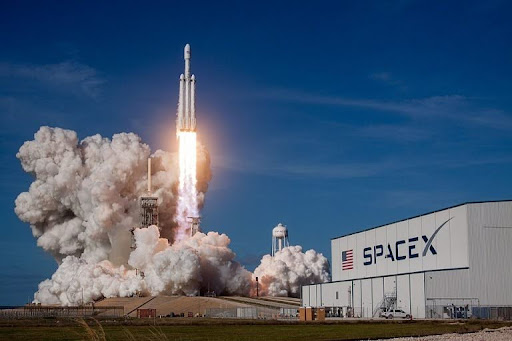
SpaceX has made a groundbreaking entry into the public market with one of the largest initial public offerings ever recorded. The company, known for its advancements in aerospace and technology, launched its trading at $150 per share. By the close of its first day, the stock had soared, elevating SpaceX’s valuation to over $2 trillion. This significant rise not only reflects the market’s enthusiasm for the company’s ventures in space exploration and satellite internet but also catapulted CEO Elon Musk’s net worth past the $1 trillion mark, earning him the title of the world’s first trillionaire.
The IPO was notable for its unconventional structure, as SpaceX opted for a fixed initial share price instead of the more common price range. This decision did not deter investors; on the contrary, demand for shares was robust, driving a rapid increase in valuation as soon as trading commenced. This strong debut underscores the high expectations from investors eager to capitalize on SpaceX’s vision of revolutionizing space travel and supporting human endeavors beyond our planet.
Despite the successful IPO, SpaceX has yet to achieve profitability. Recent financial disclosures reveal substantial operating losses, attributed to the company’s extensive investments in aerospace infrastructure and satellite networks. While revenue is on an upward trajectory, these investments are essential for supporting SpaceX’s ambitious goals. Analysts continue to monitor how these factors will influence the company’s financial health and long-term sustainability.
The remarkable valuation has also sparked discussions regarding market concentration and associated risks, especially given the scale of SpaceX and Musk’s significant control over the company’s voting shares. As SpaceX continues to expand its reach and influence within the aerospace sector, these considerations remain at the forefront of industry conversations, highlighting both the opportunities and challenges faced by the company in its quest to lead humanity’s charge into space.