
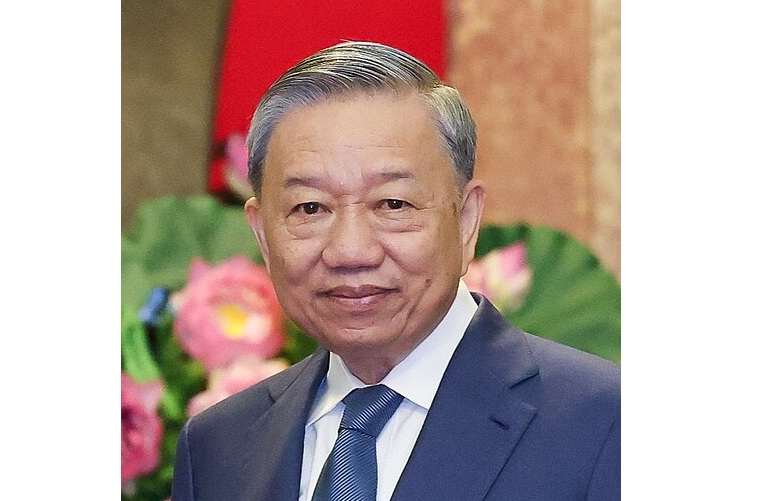
Vietnam’s Central Steering Committee for Institutional Perfection and Law Enforcement, led by Tô Lâm, has been urged to make significant strides in institutional reform, administrative simplification, and legal modernization by the end of 2026. During its inaugural meeting in Hanoi, Tô Lâm emphasized the importance of achieving concrete results rather than merely symbolic initiatives. He highlighted that the success of these reforms should be measured through the completion of legal documents, simplification of administrative procedures, and the resolution of legal obstacles, ensuring clear accountability from leadership.
The meeting, attended by senior figures such as Lê Minh Hưng and Trần Thanh Mẫn, outlined several priority areas for reform. These included enhancing the state economy, improving conditions for foreign investment, reducing administrative burdens, tackling urban air pollution, and revising the criminal procedure framework. Tô Lâm instructed ministries and agencies to start implementing the committee’s conclusions immediately and to establish mechanisms for monitoring progress. Regular reporting on completed tasks, delays, and challenges requiring higher-level intervention was also mandated.
In the realm of foreign investment, the committee underscored the necessity for competitive policies that promote technology transfer, research and development, workforce training, and digital innovation, alongside a green transformation. Additionally, it was stressed that there should be stronger oversight of strategic investors and improved regional coordination to attract foreign capital effectively. Regarding urban air pollution, officials proposed a shift towards outcome-based air quality management. This approach would be supported by modern environmental monitoring systems, enhanced early-warning mechanisms, and clear accountability for pollution sources.
Administrative reform emerged as a key focus, with the committee urging that it becomes a permanent responsibility rather than a temporary initiative. The strategy involves greater reliance on post-inspection oversight and risk-based governance, moving away from excessive pre-approval requirements. Tô Lâm and the committee are aiming for a streamlined administrative process that facilitates rather than hinders progress.
Judicial reforms also took center stage, with amendments to the Criminal Procedure Code under review. These changes aim to balance effective crime prevention with fairness, asset recovery, and support for socio-economic development. As these reforms progress, the committee looks to ensure that Vietnam’s legal framework evolves to meet contemporary challenges while fostering an environment conducive to growth and innovation.