
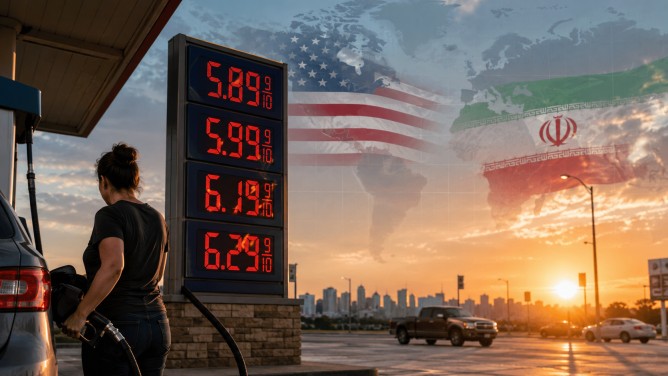
Gasoline prices in the United States have surged to their highest levels for the month of August on record, as diplomatic tensions with Iran remain unresolved and the strategic Strait of Hormuz continues to present risks to the global energy supply. The national average for a gallon of gasoline has reached $4.06, marking an increase of about 5 cents from the previous week and approximately a dollar more than the same time last year. In states like California and Hawaii, consumers are facing even steeper prices, with averages hitting around $5.50 per gallon.
These escalating prices come amid ongoing conflict involving the US, Israel, and Iran, further fueled by disruptions in the Strait of Hormuz, a critical passage for global oil shipments. Although Brent crude oil prices hit a peak of $112 per barrel before easing, they remain significantly higher compared to last year. A brief decline in gasoline prices was observed when temporary agreements between the US and Iran lowered tensions, but this respite was short-lived as talks stalled and the threat of a prolonged conflict loomed larger.
The recent spike in fuel costs follows the failure of the US and Iran to reach a consensus on Iran’s nuclear program within a designated 60-day diplomatic period. Additionally, President Trump has issued new threats against Oman, stoking fears of further regional escalation. The impact of these rising fuel prices is being felt by American families already grappling with high living costs, with reports indicating that over the past six months, they have spent tens of billions more on gasoline than they would have under pre-conflict conditions.
If these elevated energy costs persist, they could exert renewed inflationary pressures on the economy, complicating the financial landscape for households and businesses alike. As the situation remains fluid, the potential for further increases in fuel prices continues to pose a significant concern for consumers and policymakers.