
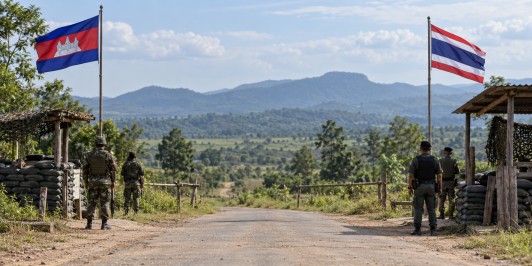
Cambodia has declared that its ceasefire agreement with Thailand, effective since December 27, cannot be used to redefine international borders or resolve disputes over territory. Cambodian Information Minister Neth Pheaktra emphasized that the agreement allows both nations to uphold their current military positions while ensuring the safe return of displaced civilians.
The ceasefire, reached through a joint understanding between Cambodia and Thailand, addresses the aftermath of recent hostilities that displaced more than 20,000 people, according to Cambodian officials. Pheaktra noted that the progress of civilian repatriation is a key indicator of the ceasefire’s effectiveness.
Despite the ceasefire, tensions remain as Cambodia accuses Thai forces of entrenching their positions in contested areas by installing barbed wire, constructing roads, and digging trenches. These actions, Cambodia claims, risk altering the status quo and creating new facts on the ground rather than adhering to the agreed-upon maintenance of existing positions.
Meanwhile, Thailand has taken foreign delegates, ASEAN observers, and international journalists to areas near the border, highlighting concerns over the use of casino buildings and potential cross-border criminal activities. The areas showcased include the O’Smach casino area and the Choam crossing, both of which Cambodia asserts are its territories.
The ongoing border dispute reflects longstanding tensions between the two Southeast Asian nations, with Cambodia affirming that any attempts to alter the current situation must not influence future determinations of the international boundary. The situation continues to draw regional attention, with both countries navigating the complexities of territorial claims and diplomatic relations.