
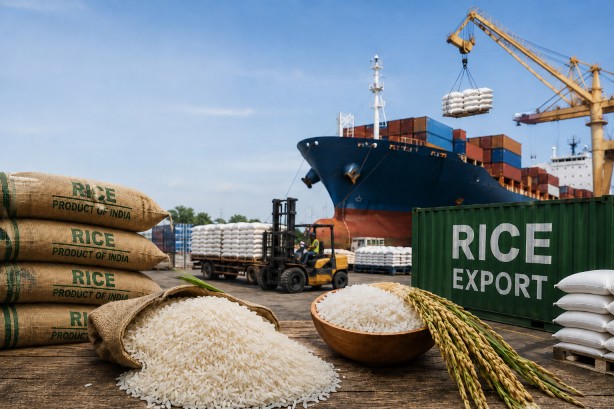
Vietnam’s rice exports are poised to gain momentum in the final months of 2026 as global rice prices rebound and demand strengthens in key markets. By August 15, the country had exported approximately 5.7 million tonnes of rice, with total shipments for the year projected to reach around 7.7 million tonnes. Despite this, export earnings are anticipated to be about $3.9 billion, a 4% decline from the previous year due to weaker prices earlier in the year.
Rice prices began to recover in July, marking a 5.8% increase year-on-year. If this upward trend persists, it could bolster Vietnam’s export revenues as the year concludes. The global market is also expected to favor Vietnam’s rice shipments, with supply and demand likely moving into a deficit for the 2026-27 crop year, and global trade potentially hitting record levels. The looming threat of a strong El Niño could further drive countries to boost their food reserves.
The Philippines, Vietnam’s largest rice export market, intends to continue its imports to fortify its reserves, planning to bring in about 5.6 million tonnes in the 2026-27 crop year. China, too, is ramping up its rice imports, particularly broken rice for animal feed, creating additional opportunities for Vietnamese exporters. Other markets, such as Nigeria and Kenya, present further growth potential. Nigeria faces a notable rice supply gap, while Kenya has temporarily lifted import duties on white rice under a quota system.
Moreover, Vietnamese exporters are tapping into premium markets, where high-quality, low-emission certified rice has reportedly fetched prices exceeding $1,000 per tonne in places like Japan, the European Union, and Australia. Nonetheless, challenges remain for Vietnam’s rice industry. The Philippines is contemplating additional safeguard duties that could raise tariffs above 35%, potentially impacting Vietnamese exports to this vital market. Indonesia’s strong domestic production and reserves make it an unlikely importer this year, while Vietnam’s rice faces stiff competition from India and Pakistan in several African markets.
Additionally, expanding competition from Thailand and Cambodia is intensifying, particularly in China and with fragrant rice varieties. Farmers and exporters are also grappling with high costs for fertilizer, transportation, and energy. The potential impact of El Niño, which could bring drought and saltwater intrusion between late 2026 and early 2027, poses another risk to the upcoming winter-spring rice crop. Despite these hurdles, the combination of recovering prices, increased demand, and growing interest in premium rice could help Vietnam improve its export earnings as the year draws to a close.